PS156: Geophysics Arctic Ocean Expedition on RV Polarstern

| Vessel | Research Vessel Polarstern |
| Expedition | PS156 |
| Dates | 6 August – 14 October 2026 |
| Days at sea | 70 |
| Route | Tromsø – Greenland – Lomonosov Ridge – Bremerhaven |
| Institutions | Alfred Wegener Institute, University of Bergen and Tromsø, NORCE, MARUM, OGS |
Post
Here I am, once again in the Arctic. This time aboard the legendary Polarstern, as part of the Lomonosov-Alpha-Morris Jesup Rise Expedition 1 (LAMEX 1), led by Catalina Gebhardt.
We left Tromsø on August 6 and our return to Bremerhaven is scheduled on October 14; yeah, exactly 70 days at sea. The expedition also serves as a scientific platform for the i2B Into The Blue project. Check out the detailed scientific plan here.
I am part of the Geophysics group, working with the Seismic team. Seismic surveys have added another layer of fascination/mystery to these expeditions as they allow us to look beneath the Arctic seafloor and “see” the geometry of sediment layers, in some places reaching up to about 2 km below the seabed. These sediments may contain a record of the Arctic Ocean reaching back roughly 20 million years, and potentially even further. Trying to grasp these timescales is, quite honestly, difficult.
Even more mysterious is that some sediment layers dating back 20 to 40 million years are unusually thin in some areas. Here, we are a bit like detectives, looking for where these layers are thicker and using these differences to understand why the same layers became much thinner in other parts of the Arctic Ocean.
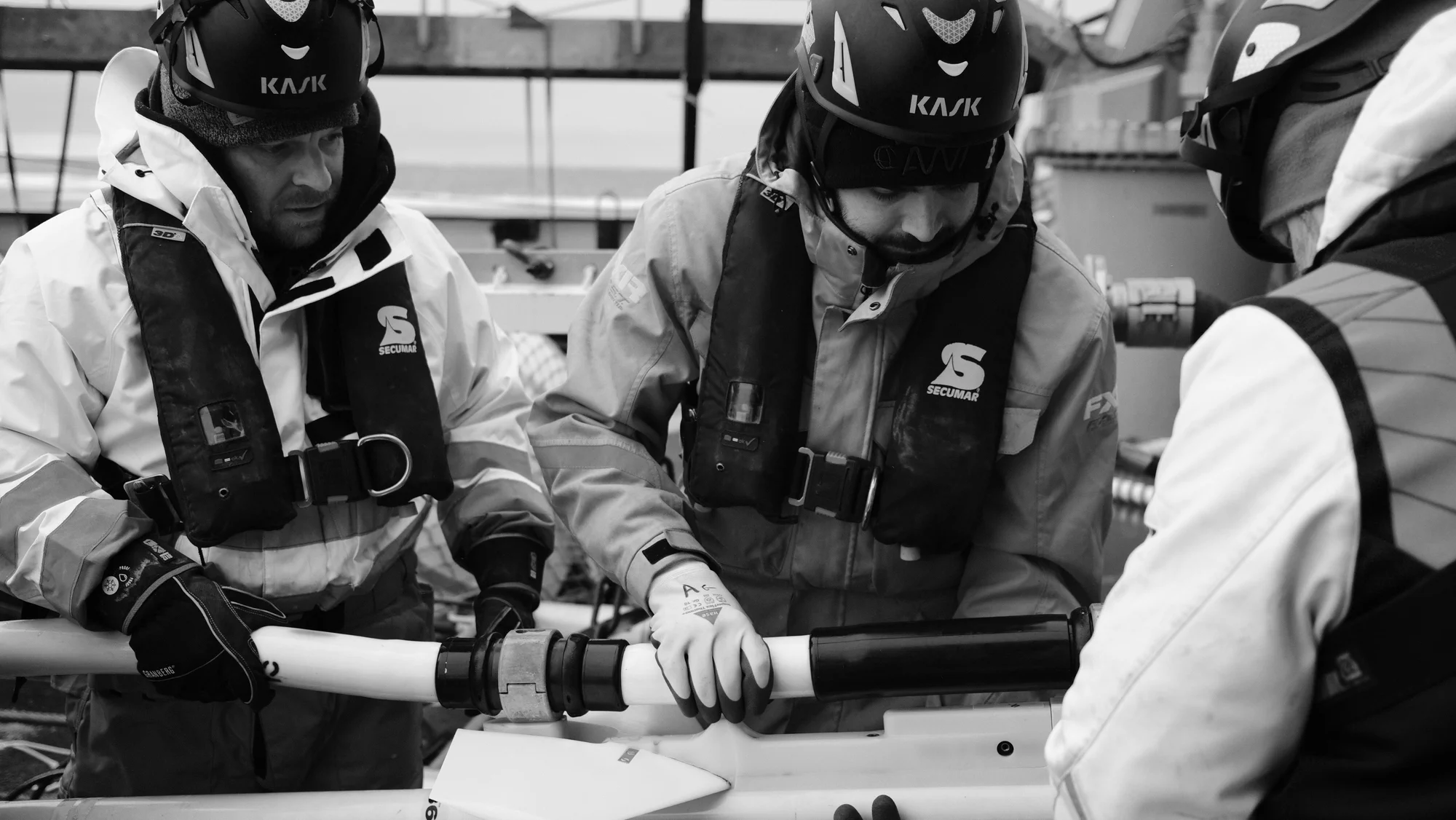
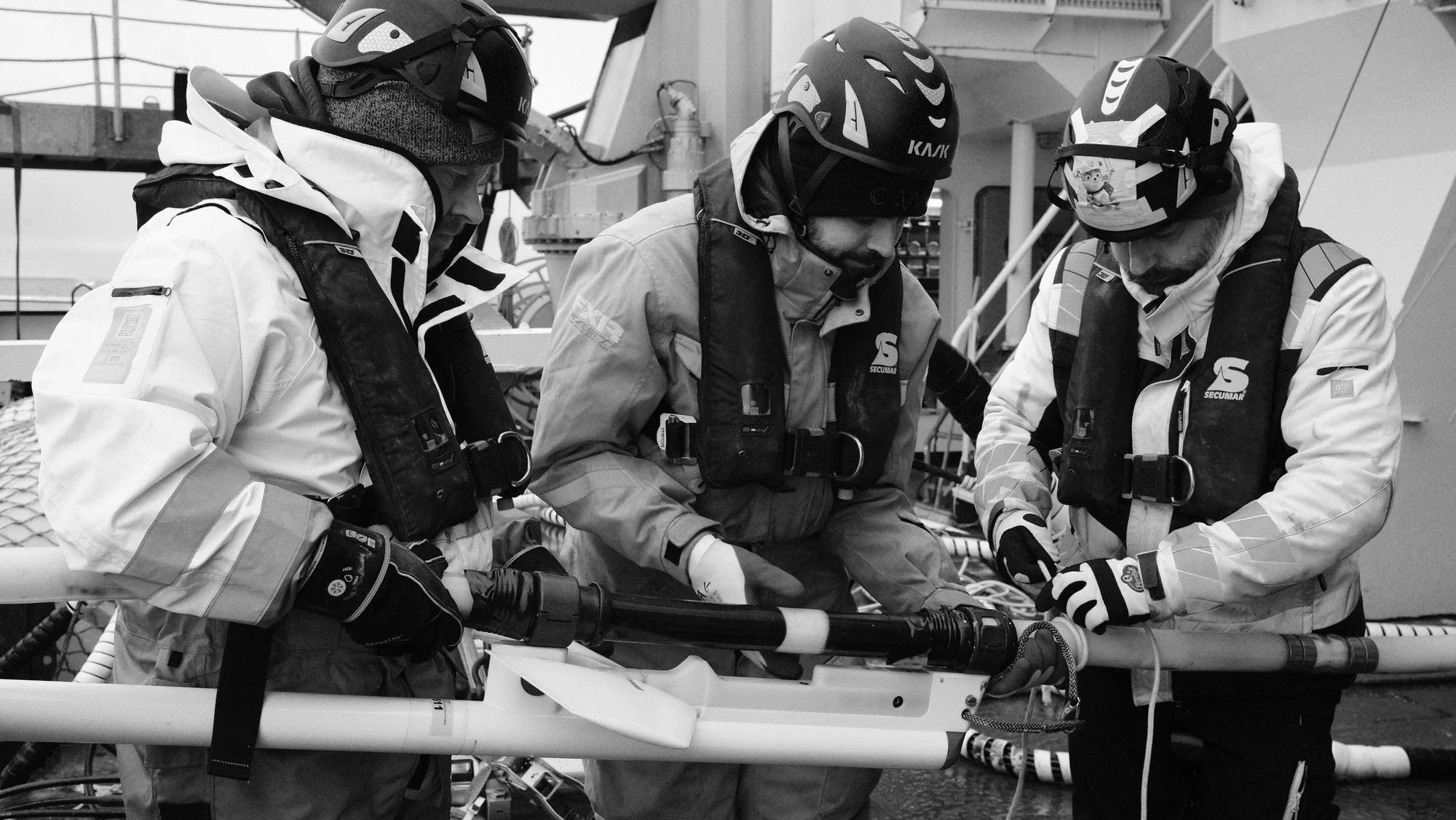
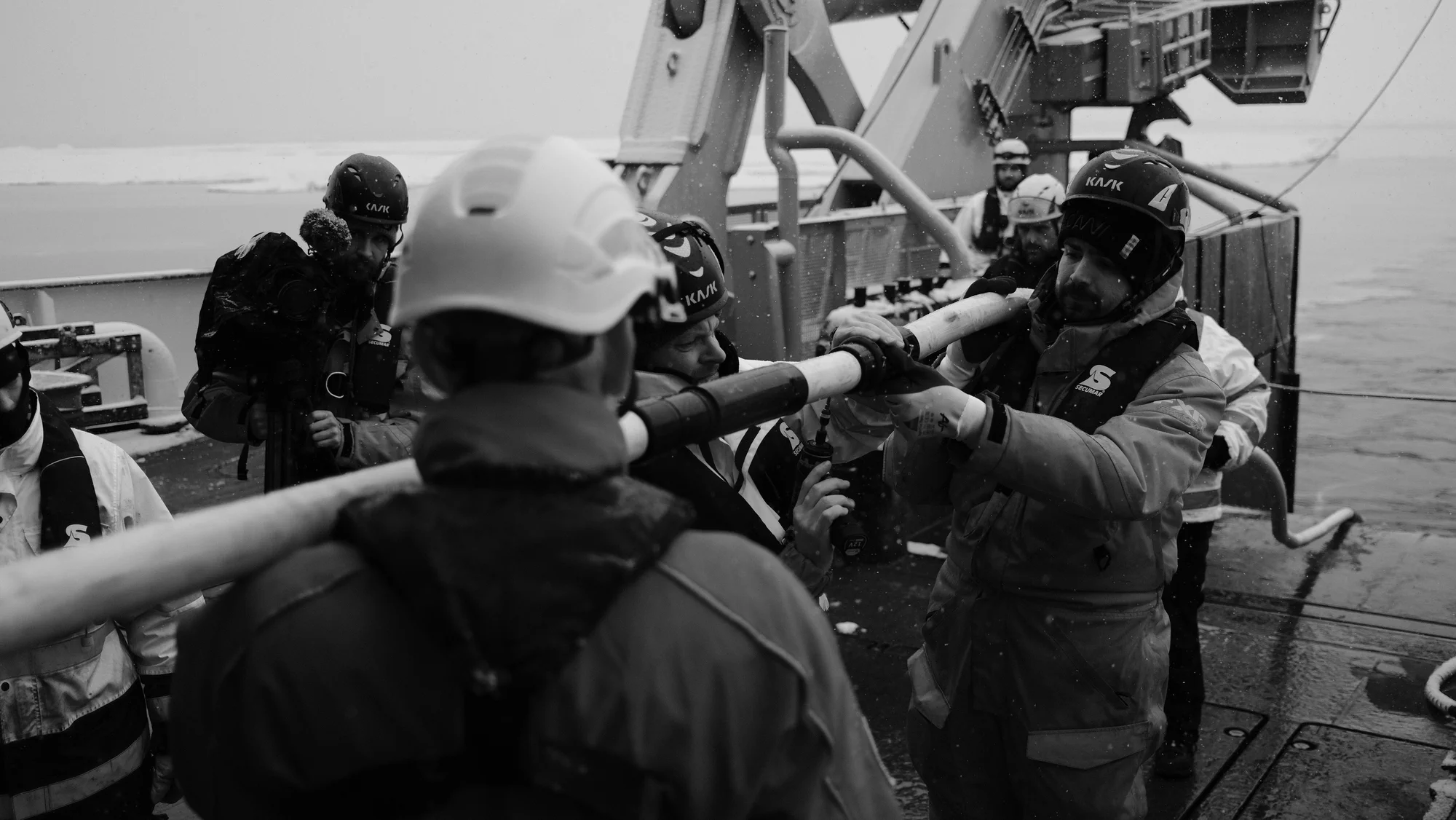
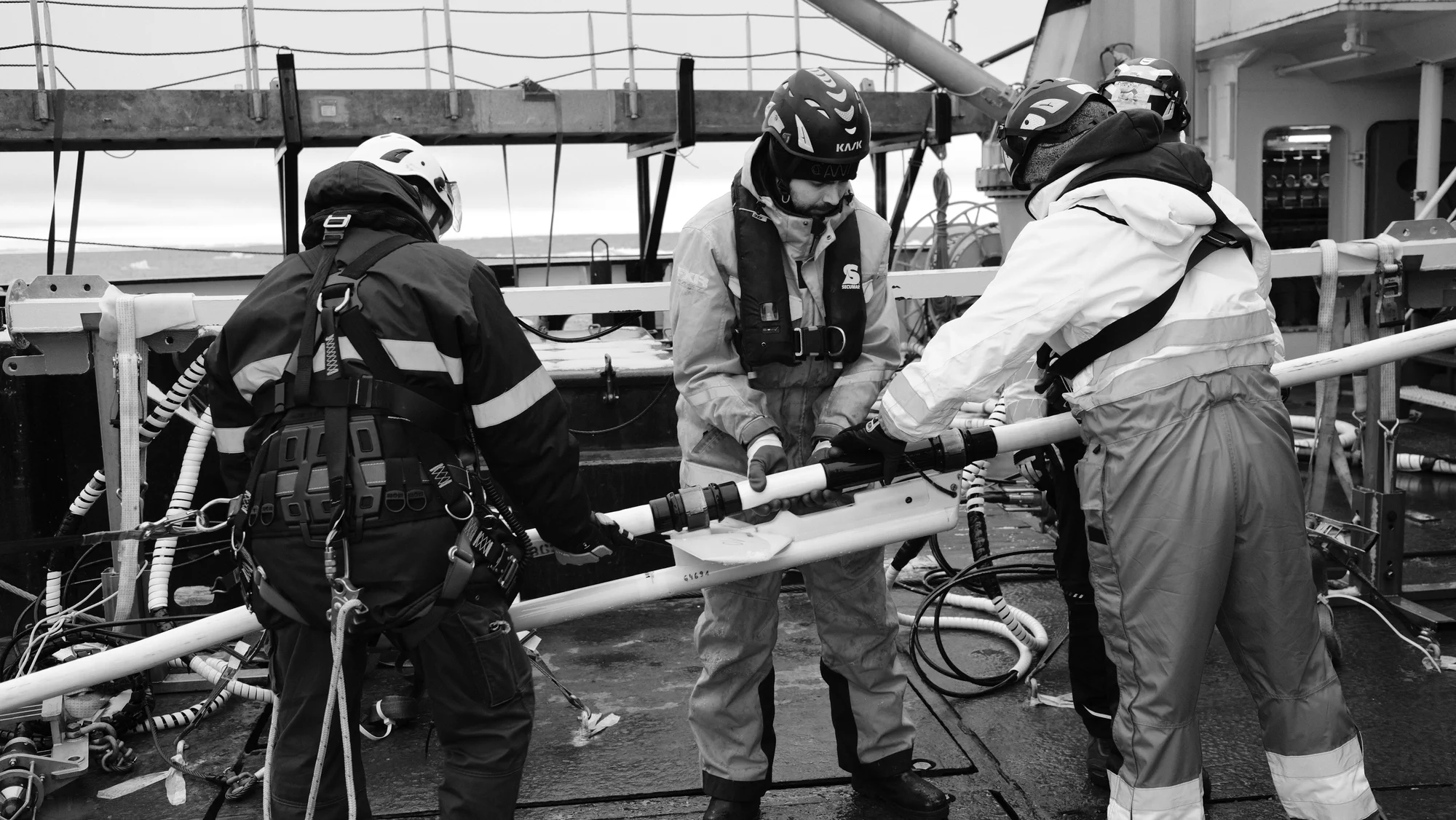
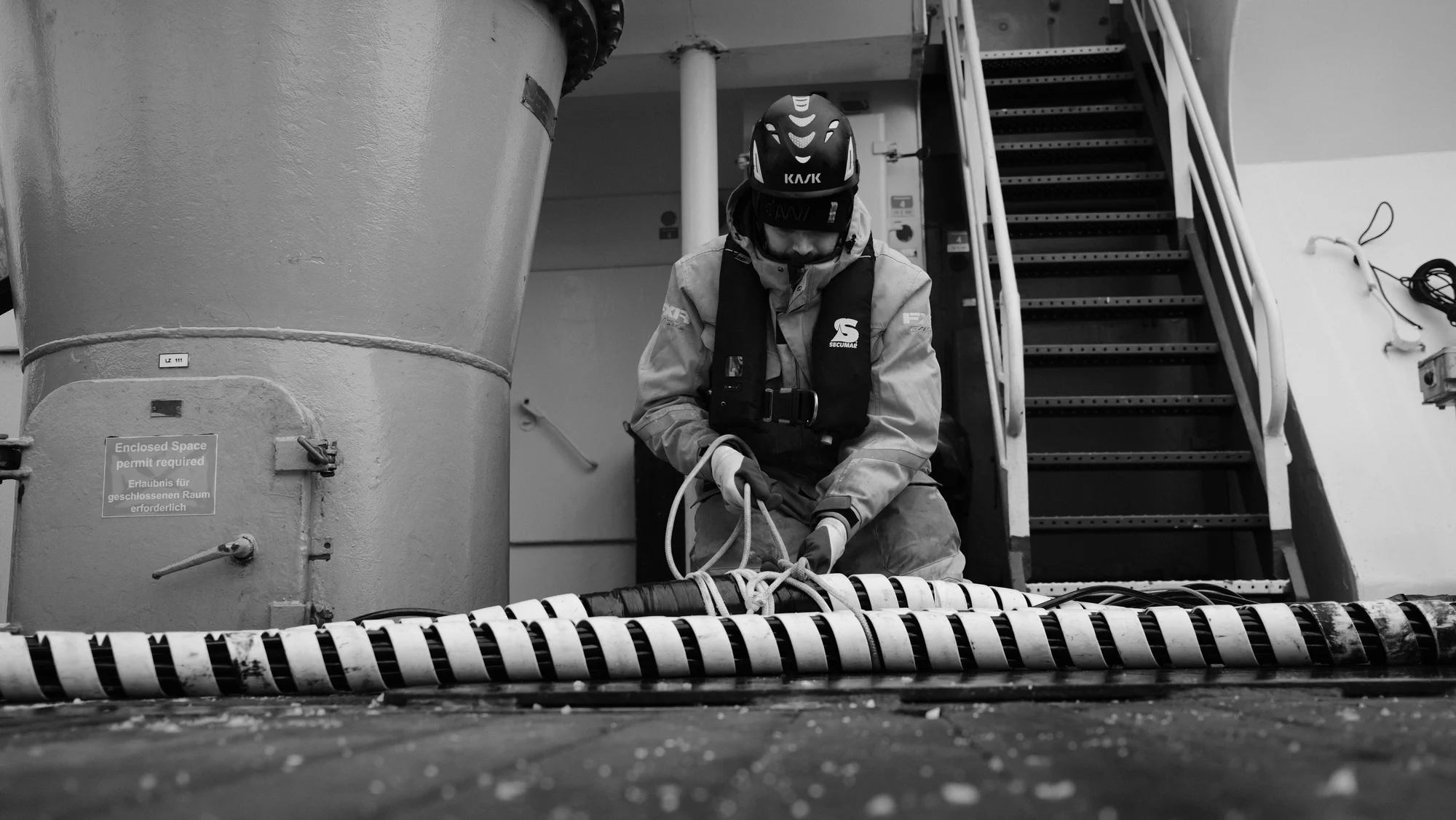
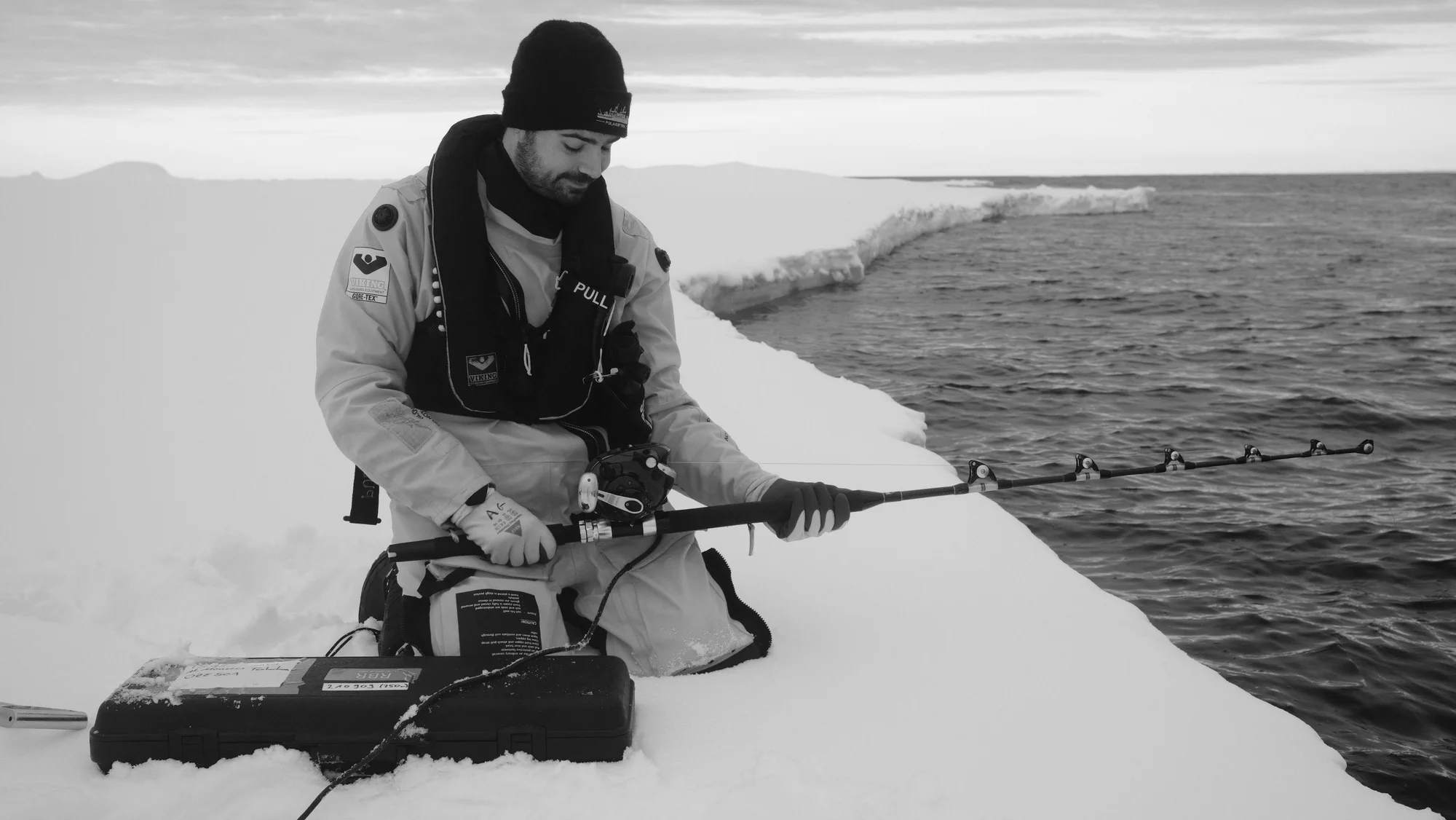
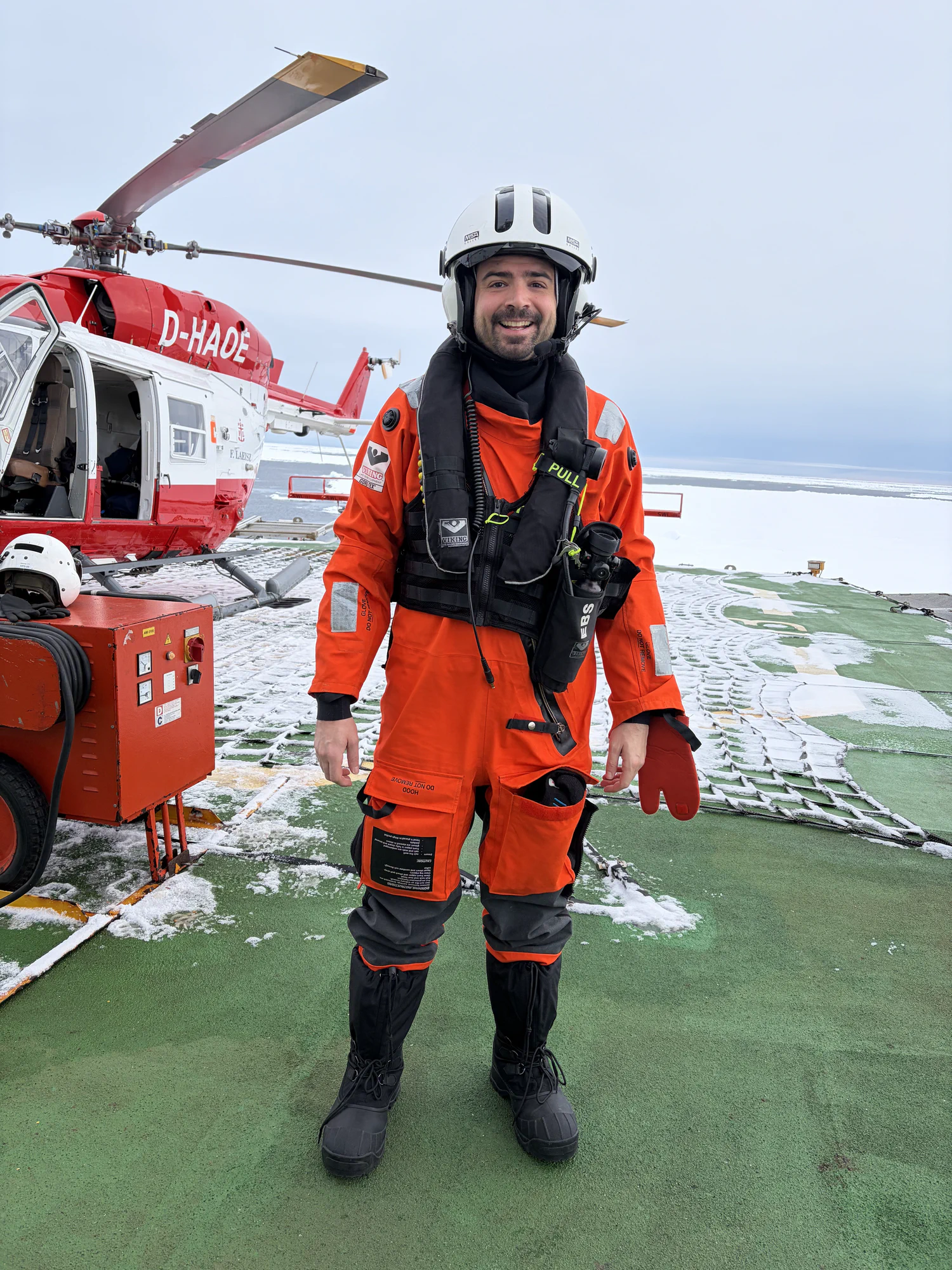
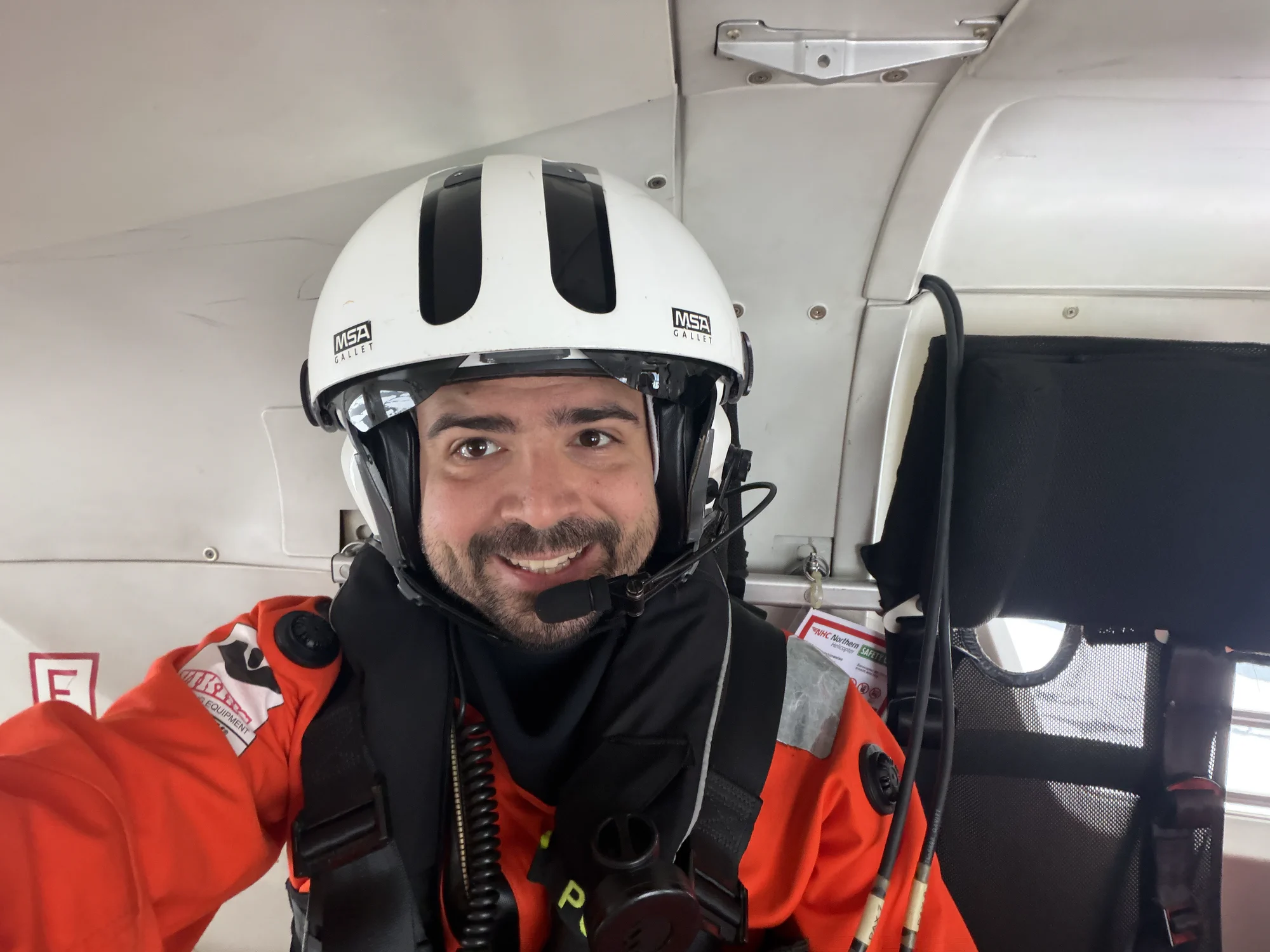
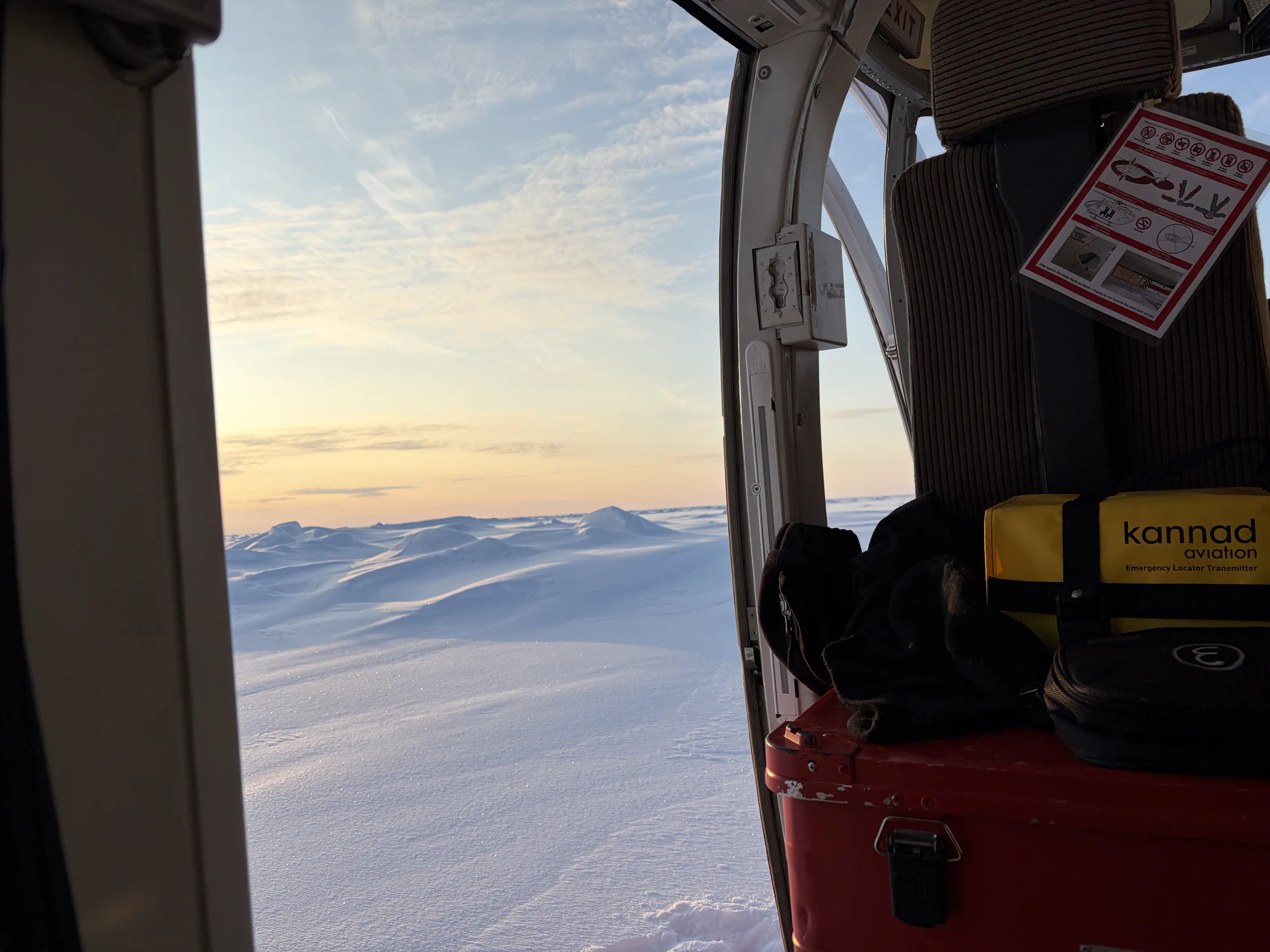
This post comes with a small collection of moments from the expedition: deploying seismic instruments; preparing to fly by helicopter onto an ice floe near the Lomonosov Ridge to help with the deployment of an eXpendable Conductivity, Temperature and Depth (XCTD), using, surprisingly, a modified fishing rod; and, of course, spending time on a giant ice floe at the North Pole (that one could not be missed!). And then there is Polarstern, navigating through the ice in what sometimes feels like a lunar landscape. Listing these experiences in a few sentences does not really do them justice. Each one could probably need a chapter of its own.
It is a privilege to be here (for the second time; read about the first time here and to contribute, even in a small way, to understanding one of the most remote and fascinating environments on Earth.
A round of thanks to everyone who makes this possible: Alfred Wegener Institute, Helmholtz Centre for Polar and Marine Research for providing the infrastructure and means for polar research; i2B Into The Blue for its scientific partnership; the Polarstern crew (Reederei F. Laeisz) for safely carrying us through the Arctic Ocean and supporting the deployment of our instruments; Deutscher Wetterdienst for providing dedicated weather forecasts through a meteorologist on board; Northern Helicopter GmbH for the pilots and engineers who make our helicopter operations possible and safe; And, last but certainly not least, thanks to Catalina Gebhardt for having me on board and for making me part of this adventure :)
Photo credits: black and white photos taken by Mario Hoppman, colored photo in front of the helicopter taken by Estella Weigelt